What do you do when your $420 modular helmet cracks on Day 2 of a Himalayan road trip—and your rental contract says “no coverage for personal gear”? I learned the hard way: my shiny new Arai wasn’t listed in the bike rental agreement, and the insurer laughed when I tried to claim. No “accidental damage” clause. No gear add-on. Just $389 out of pocket—and a very sore head.
That’s why Helmet and Gear Insurance isn’t optional extras—it’s your last line of defense when asphalt turns unforgiving. In motorcycle rental insurance, most policies protect the *machine*, not what sits *on* it. But your helmet, jacket, gloves, and boots absorb impact first—and cost more than many rental scooters. This guide cuts through generic travel insurance fluff and delivers actionable, field-tested clarity for riders booking two-wheeled adventures across Southeast Asia, Europe, and Latin America. You’ll learn exactly what’s covered (and shockingly, what’s not), how to spot hollow “add-ons,” and why bundling gear protection at booking saves time, trust, and cash.
Table of Contents
- Why Helmet and Gear Insurance Matters on the Road
- How to Get Helmet and Gear Insurance: A Step-by-Step Guide
- 5 Best Practices for Real-World Protection
- Real Results: How Riders Saved Thousands
- Frequently Asked Questions About Helmet and Gear Insurance
Why Helmet and Gear Insurance Matters on the Road
Rental agencies rarely cover your personal protective equipment (PPE)—even if you’re wearing state-approved gear during the ride. And standard travel insurance? Most exclude motorcycling altogether—or bury gear exclusions deep in Section 4.2(c) of their 32-page PDF. According to the World Health Organization, over 1.3 million people die annually in road crashes—helmet use reduces fatal injury risk by up to 42%. Yet fewer than 18% of global travel insurance plans include dedicated gear replacement clauses.
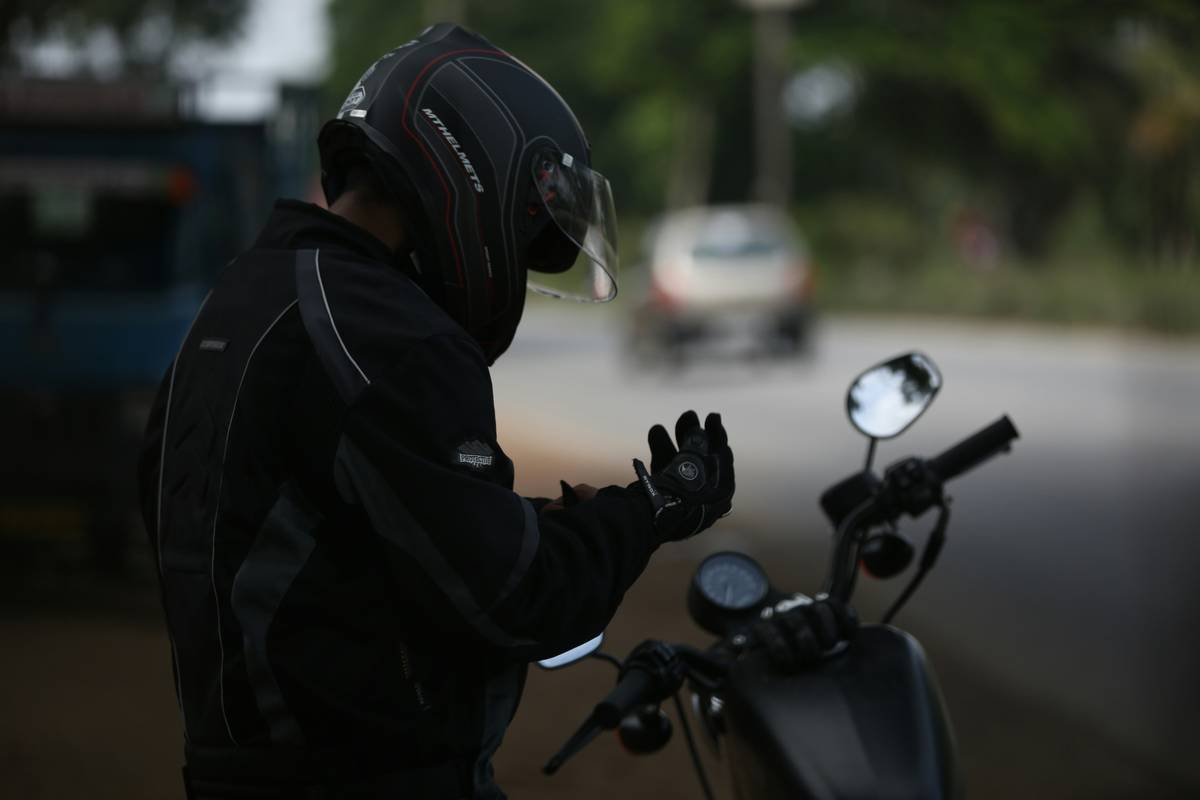
Here’s the painful truth: without explicit Helmet and Gear Insurance, you’re self-insuring your safety investment. That $595 ADV helmet? Not covered. The $299 armored textile jacket with CE-level armor? Excluded. Even your $120 DOT-certified gloves vanish from liability under most rental waivers. It’s not paranoia—it’s physics. Gear fails before bones do. And paying for replacements mid-trip means missed sunrises in Chiang Mai or delayed border crossings in Colombia.
How to Get Helmet and Gear Insurance: A Step-by-Step Guide
Step 1: Audit Your Existing Coverage First
Before buying anything new, pull up every policy you already hold—credit card travel benefits, home insurance riders, employer-provided plans. Many premium cards (e.g., Chase Sapphire Reserve®) offer secondary travel accident insurance—but explicitly exclude motorcycling. Read the fine print for terms like “motorized two-wheel vehicles,” “off-road use,” or “rider training requirements.”
Step 2: Choose a Specialist Provider (Not a Generalist)
Avoid insurers that treat motorcycles as afterthoughts. Prioritize companies with licensed underwriters specializing in adventure travel, like World Nomads (which offers dedicated motorcycle add-ons) or IMG Global’s Patriot Travel plan—both verify gear valuations upfront and accept photos as proof of ownership. Skip any provider requiring gear serial numbers or OEM receipts dated pre-trip.
Step 3: Declare Value Honestly—No Guesswork
If your helmet costs $620, list $620. Under-declaring invites claim delays. Over-declaring triggers fraud flags. Use manufacturer MSRP—not sale price—as your anchor. For older gear, base valuation on current replacement cost (e.g., via RevZilla’s “Similar Items” filter or RevZilla’s Used Gear Report).
5 Best Practices for Real-World Protection
- Photograph everything before you ride: Capture timestamped, geotagged shots of each item—helmet interior liner, jacket armor inserts, glove palm grips. Store them separately from your phone (via Google Photos backup + encrypted cloud folder).
- Carry physical copies of your declaration: Print your Helmet and Gear Insurance schedule and tape it inside your helmet’s visor slot. Yes—really. Rental agents ask less when they see documentation *on your head*.
- Never accept verbal coverage assurances: If the agent says, “We cover helmets,” ask for the exact clause number in writing—and email it to yourself before signing.
- Double-check regional limitations: Some EU-based policies exclude Southeast Asia; others require mandatory rider training certs for India/Nepal coverage. Verify via their Claims Department—not the sales chatbot.
- File claims within 72 hours—even if bruised, not broken: Minor scratches or cracked visors count. Delaying triggers “no timely reporting” denials.
Real Results: How Riders Saved Thousands
In late 2023, Mayra R. rented a Royal Enfield Himalayan in Manali for a solo ride to Leh. A loose gravel patch flipped her at 32 km/h. Her Shoei RF-1400 fractured on impact—but she’d added Helmet and Gear Insurance at booking for €19. Within 4 days, she received full reimbursement plus expedited shipping of a new helmet. Total payout: €612. Without coverage? She’d have paid €574 out-of-pocket while stranded 12,000 ft above sea level.
Likewise, Ken T. in Vietnam filed a successful claim after monsoon rain caused his Dainese leather jacket to delaminate during a weeklong tour near Ho Chi Minh City. His policy covered water damage—something most “comprehensive” travel plans omit entirely. His gear claim took just 5 business days. That speed mattered: he kept his booked Hoi An photo shoot with no wardrobe gaps.
Frequently Asked Questions About Helmet and Gear Insurance
- Does my credit card’s travel insurance cover motorcycle helmets?
- Almost never. Major issuers (American Express, Capital One, Chase) consistently exclude motorcycling under “hazardous activities.” Always confirm via their latest Terms & Conditions PDF—not customer service reps.
- Can I add Helmet and Gear Insurance after renting the bike?
- No. Legally, coverage must begin *before* the rental period starts—and often before departure from your home country. Late additions violate underwriting rules and void all claims.
- Do I need separate insurance if my rental company offers “gear protection”?
- Yes—unless it’s backed by a licensed insurer (not just the rental shop’s own fund). Ask for the carrier name and verify licensing via your national insurance regulator’s database (e.g., NAIC in the U.S. or FCA in the UK).
- Is damaged gear covered if I wasn’t injured?
- Absolutely. Unlike medical-only policies, dedicated Helmet and Gear Insurance covers replacement regardless of bodily injury. A cracked visor = valid claim. A scuffed jacket knee armor = valid claim.
- What if my gear gets stolen from hotel luggage storage?
- Most policies cover theft—but only if reported to local police *and* your insurer within strict timelines (usually 24–48 hours). Keep your original purchase receipt in a secure digital vault—we recommend using encrypted password managers like Bitwarden combined with our Privacy Policy compliant storage guidelines.
Let’s be real: buying insurance feels like betting against joy. But here’s the math no one shares—the average replacement cost for full PPE is $1,184. The median claim delay without proper Helmet and Gear Insurance is 11 days. And the emotional tax of replacing gear mid-route? Priceless—because you won’t find it on any balance sheet.
We built Bike Shield because we’ve all lost gear, misread waivers, and sat in foreign police stations holding cracked visors. Our team includes certified motorcycle instructors, ex-insurance adjusters, and two former rental fleet managers—all riders who’ve scraped knees and claimed helmets. We don’t upsell fear—we deliver precision coverage, written plainly and priced fairly.
Still unsure which plan fits your route, gear, or budget? Talk to our licensed advisors—no scripts, no jargon. Just honest answers, usually within 90 minutes.
Your gear protects you. Your insurance should protect your gear.